Social Impact
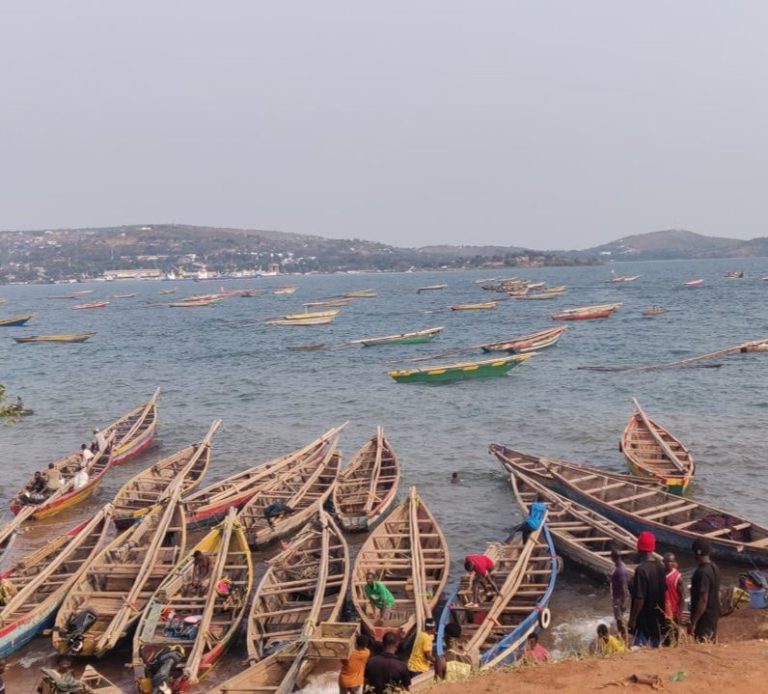
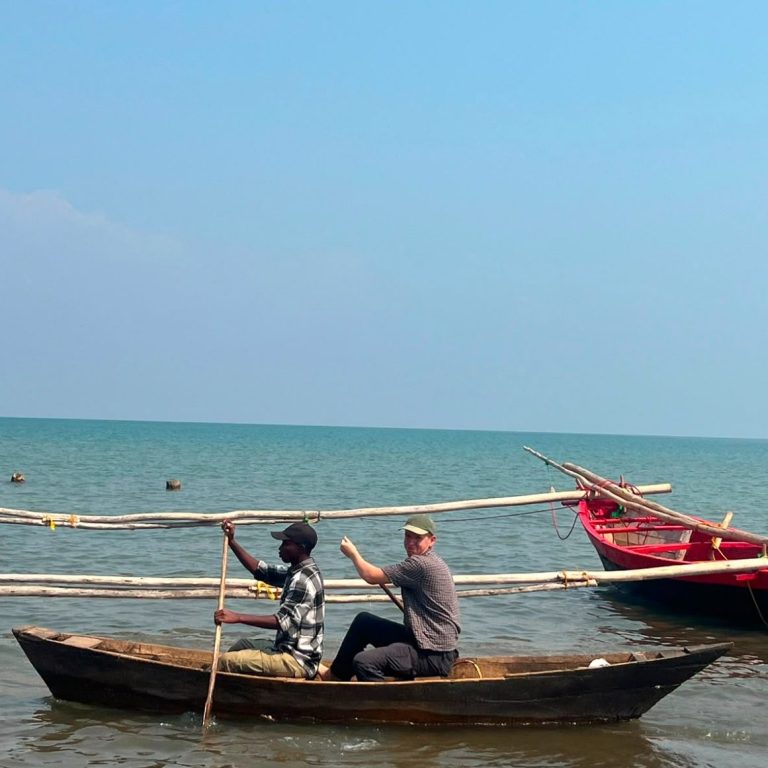
By removing the burden of high fuel costs, solar-powered boats can make fishing more affordable and reliable, directly supporting the livelihoods of local communities along Lake Tanganyika.
Training students and young engineers to design, build, and maintain these systems equips them with valuable technical skills and creates pathways to employment.
At the same time, demonstrating solar technology in a visible and practical way helps inspire wider adoption of renewable energy.
Pilot Project Video
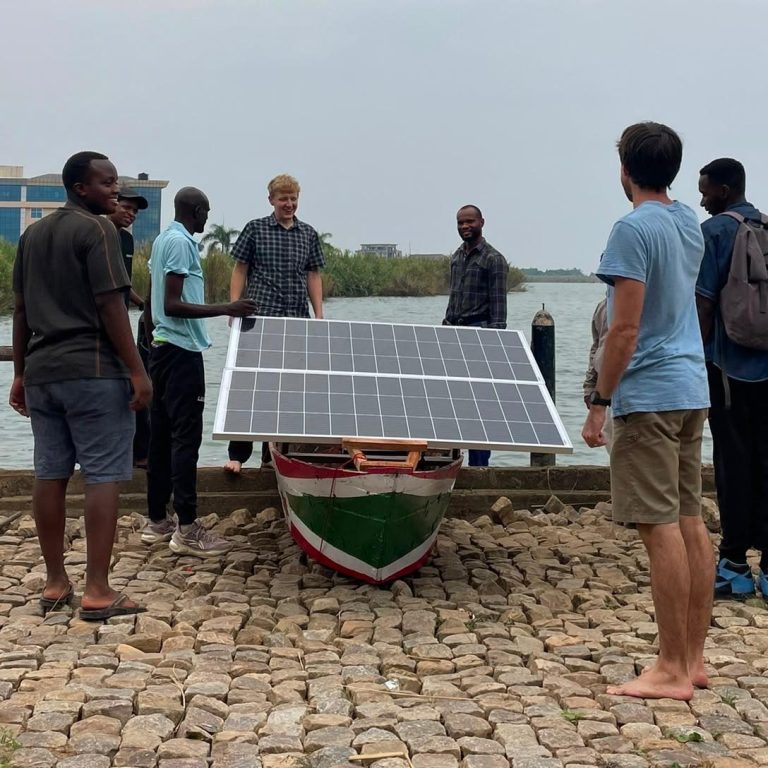
In July 2026, the team built and tested a solar-powered boat pilot project in 1 week! The pilot demonstrated the feasibility of solar-powered water transport in the local context, providing valuable practical lessons to inform future development and potential scale-up. It was also a great time getting the team together and learn new skills.
No Petrol, No Problem
Solar Boat Burundi V1
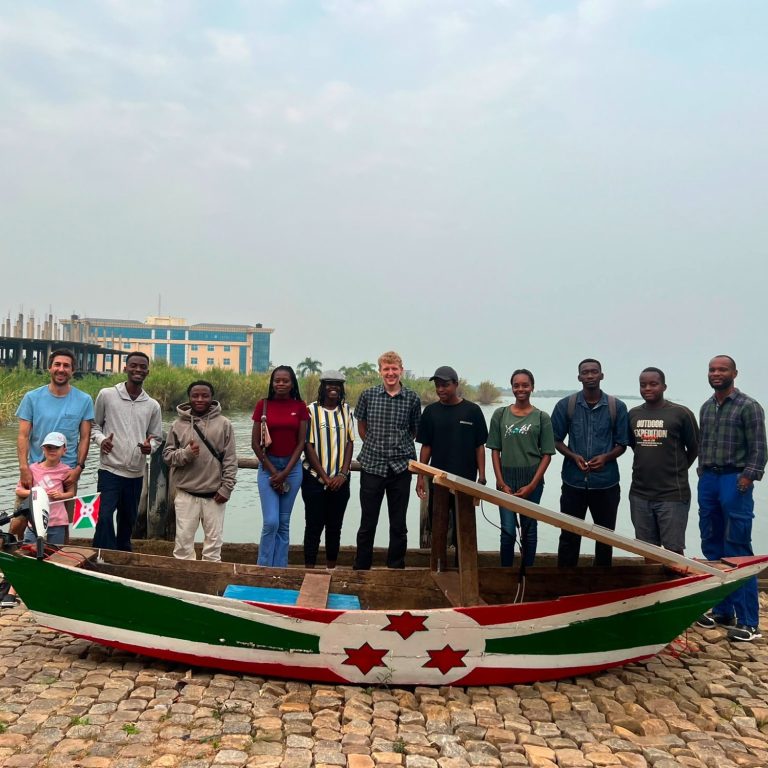
In just one week, we went from sourcing components to building and testing our first solar-powered boat prototype in Bujumbura.
Local
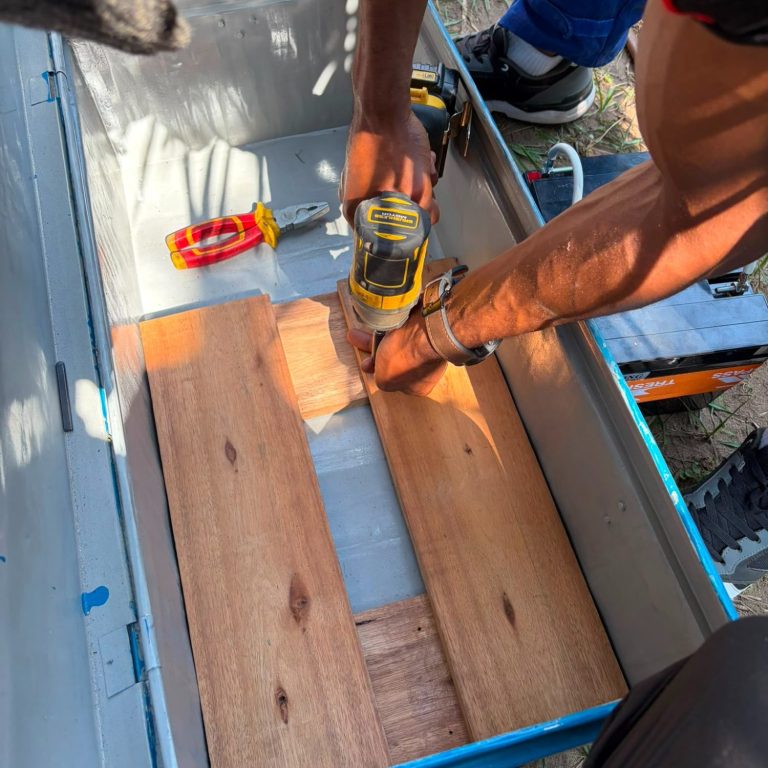
Built using locally available materials and by Burundian engineers, technicians, and boat builders. The project demonstrates that clean transport solutions can be developed with local skills, creating opportunities for jobs, innovation, and knowledge transfer.
Renewable
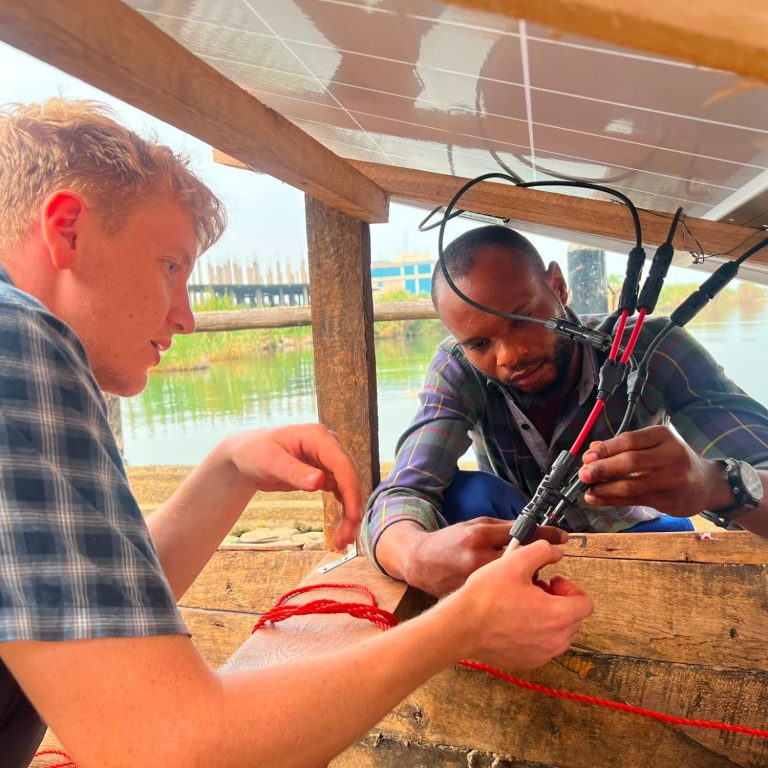
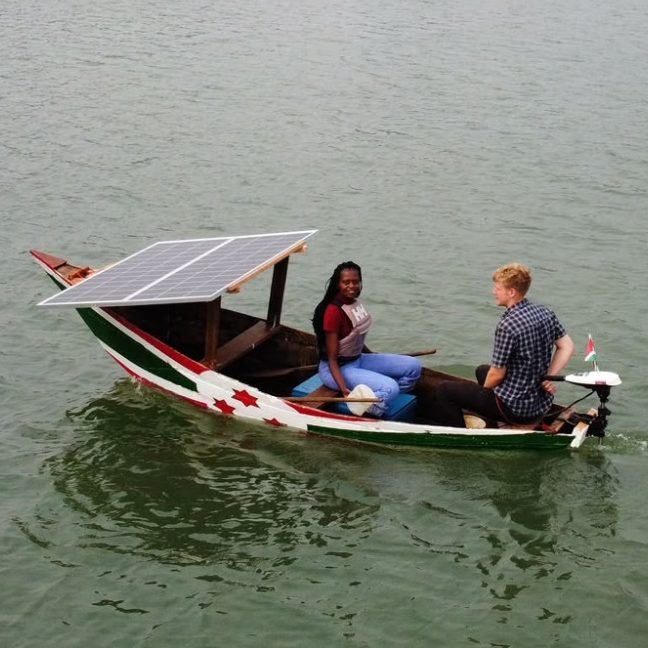
Powered entirely by solar energy, the boat operates without petrol, reducing fuel costs, emissions, and noise. This provides a cleaner, more affordable alternative for transport on Lake Tanganyika while showcasing the potential of renewable energy in Burundi.
Innovative
The pilot combines traditional boat-building with modern solar and electric propulsion. Completed in just one week, the project proves that practical, sustainable transport solutions can be rapidly developed, tested, and refined for local communities.
How it Works
The solar boat system can be split into two subsystems: Energy generation (upstream of the battery) and Energy consumption (downstream of the battery)
The energy generation system comprises of two components, solar panels and a charge controller to protect the battery from over charging.
The energy consumption system also comprises of two components the motor which drives the boat through the water, and the motor controller, used to control motor speed.
If you couldn't tell that was written by an engineer that really likes solar boats
Previous Experience and Design Work
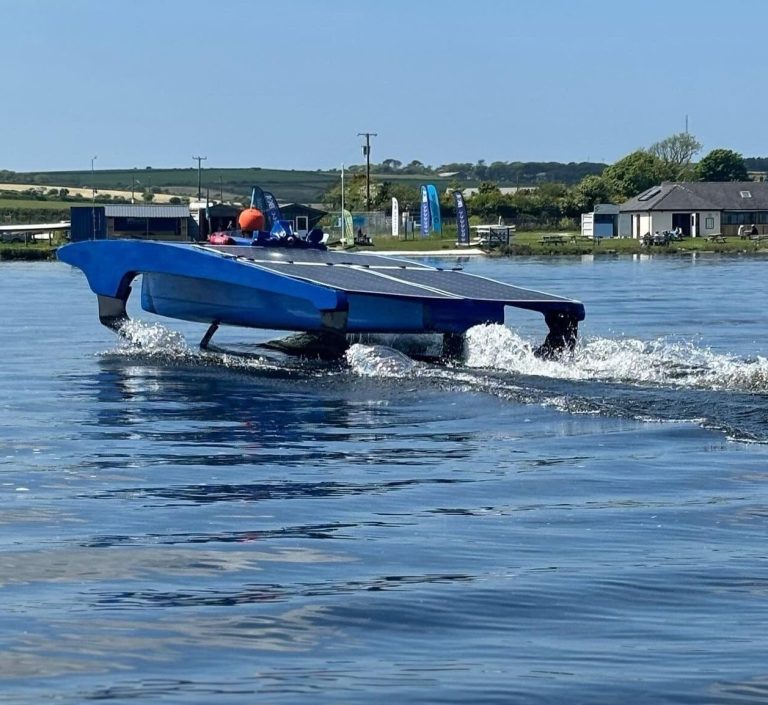
SoleX Solar Boat
The knowledge behind this project is largely from SoleX, a solar powered racing boat that we designed, built, tested and raced at university. Although it serves a completely different purpose than Solar Boat Burundi, the engineering concepts remain exactly the same.
The driving motivation behind this project is that it's a fantastic learning experience for students, even if it doesn't work out the way we hope, people will go away with new skills, knowledge and leadership experience.
Concept CAD Design
A number of concept CAD designs have been carried out to start planning the project costs and schedule.
View the CAD model HERE
Continous Improvement
Work is now being carried out to improve the design and operation of Solar Boat Burundi V1, focusing on increased watertightness and re-balencing weight distribution.