
Social Impact
In Burundi, where electrification rates remain low and rural communities often lack the finances needed to import equipment, locally manufactured small wind turbines provide a practical and affordable alternative.
Using simple techniques and materials that can be sourced within the country, these systems lower barriers to access while stimulating local economies.
The project is led by student engineers who gain valuable experience in resource assessment, fabrication, and system design, equipping them with practical skills in carpentry, metal fabrication, power electronics ... the list goes on
At the same time, communities benefit from distributed power that reduces dependence on costly and uncertain fuel supplies, or provides electricity for the first time, improving energy security and supporting livelihoods.
How it works
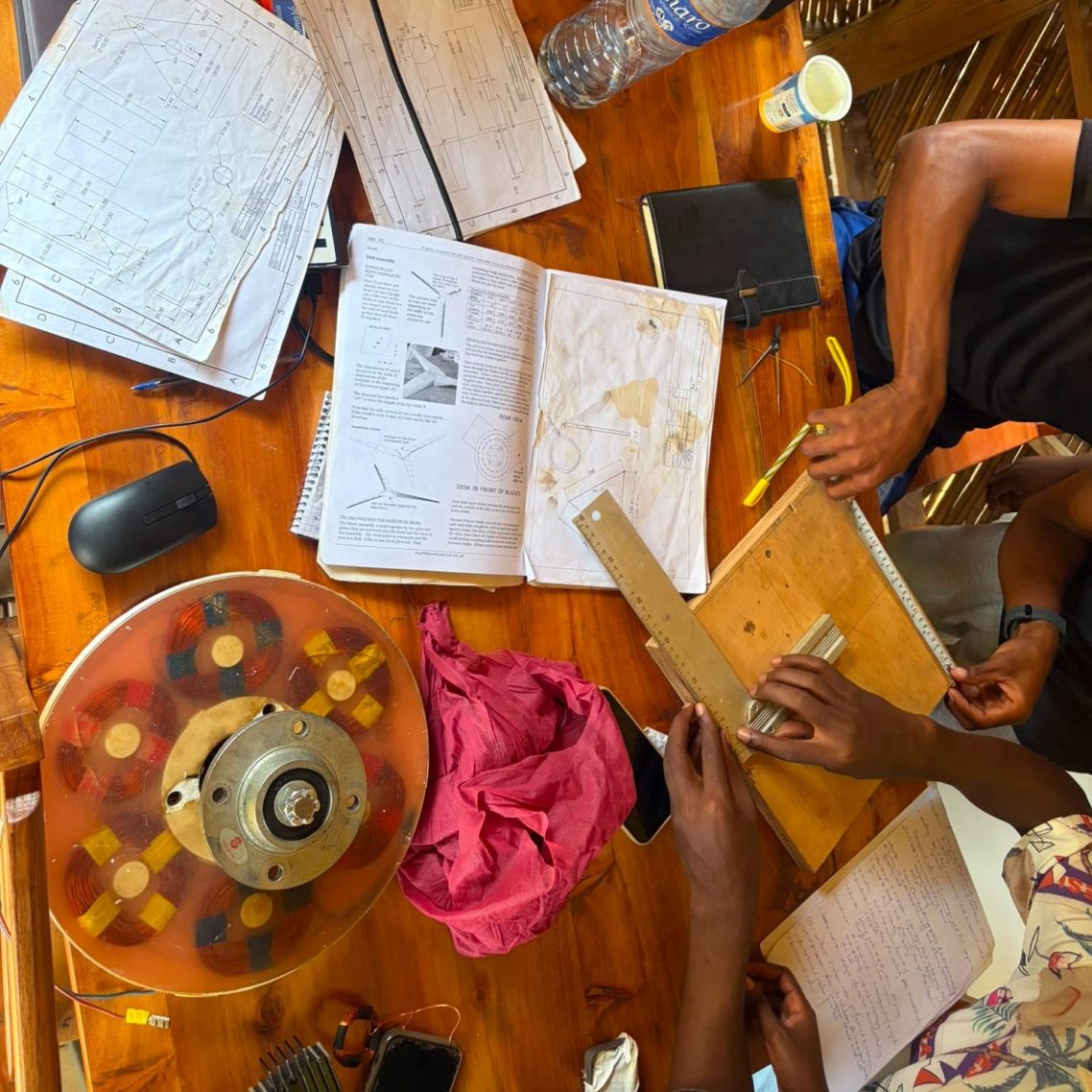
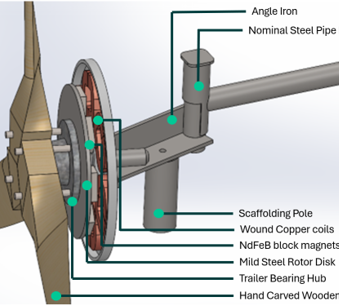
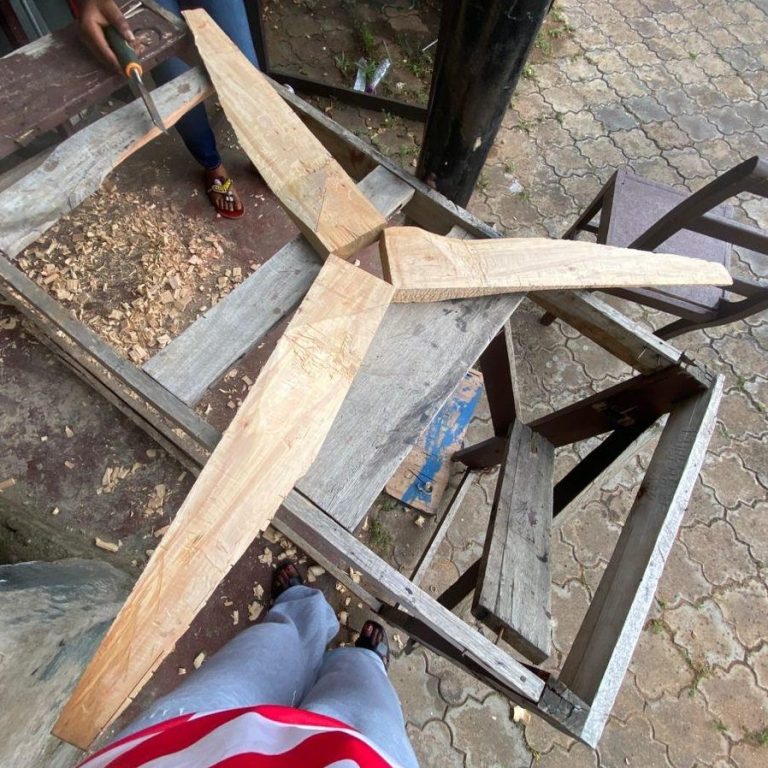
The Hugh Piggott wind turbine, illustrated in the diagram, was developed in Scoraig, a remote peninsula on the northwest coast of Scotland. It was specifically designed so rural communities could construct it using readily available materials, including a scaffolding pole for the tower, a trailer bearing hub for the rotor, and hand-carved wooden blades. This approach makes the turbine low-cost, accessible, and practical for off-grid power generation.
Kabezi Case Study
Kabezi is a fishing town just south of Bujumbura, located on the coast of lake Tanginika, it experiences high windspeeds during the daytime.
A calculation using modelled wind speed data of the area found that a 3m rotor diameter turbine would produce:
•325W for 7 hours = 2.3kWh
• Powering 10 homes, each with 4 LED lights and 2 phone chargers
Local Parts, Local Skills
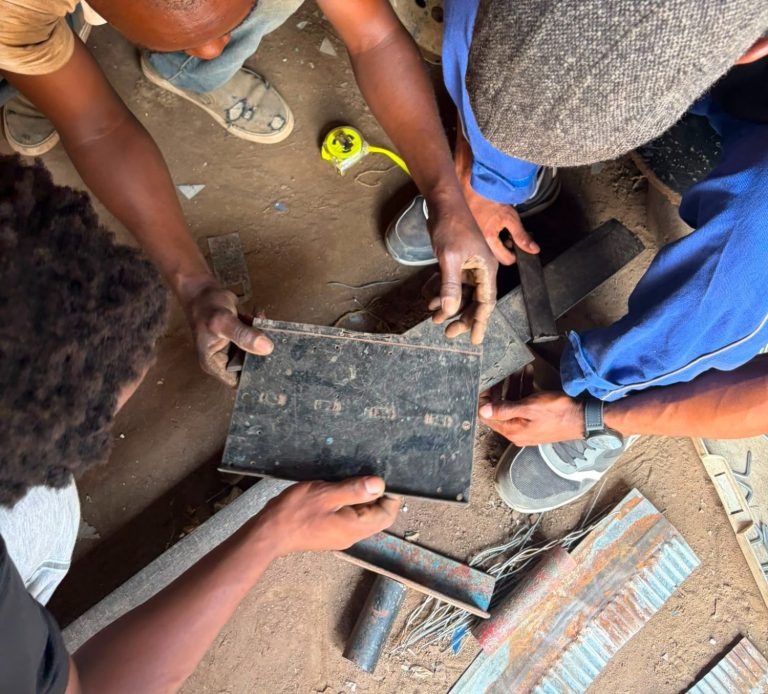
The place to go to get this project built is Ruvumera Market, a bustling commercial hub in the heart of Bujumbura. It is an incredible place to find skilled mechanics, welders, and fabricators, as well as source the materials needed for a project like this. Steel sections, scaffolding poles, copper cable, and electrical components are all readily available, while more specialised items, such as high-strength magnets, can take more time to track down. With persistence and creativity, every part needed can be sourced locally, highlighting the impressive skills and resourcefulness of the market.
Previous Experience
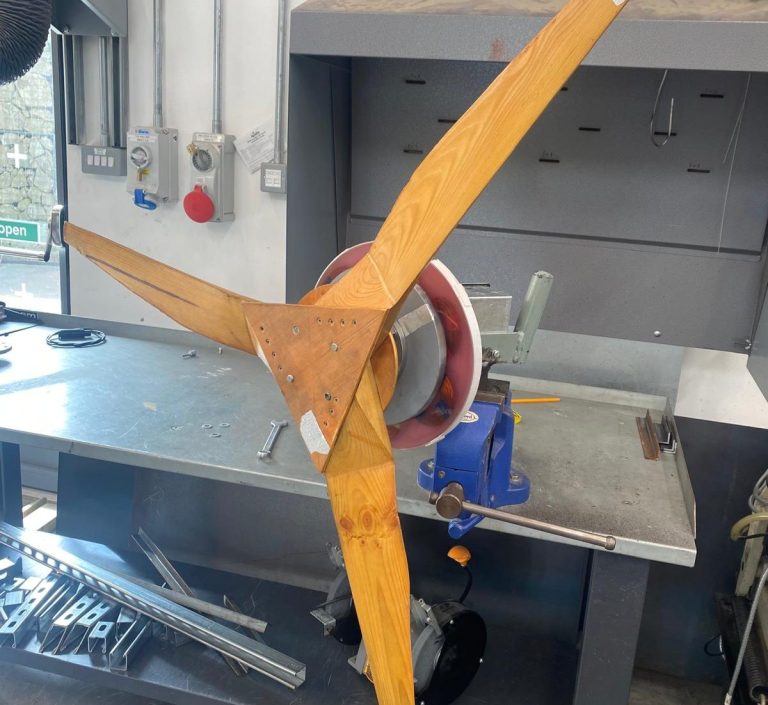
Build of Locally Manufactured Small Wind Turbine
Knowledge for running this project is drawn from my dissertation where I built and tested the turbine shown, I also volunteered to help students build similar version.
View the CAD model here
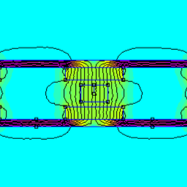
Electromagnetics Modelling
Using open source software OPENAFPM, available to anyone with a laptop and internet connection, you can design generators using the parts locally available.
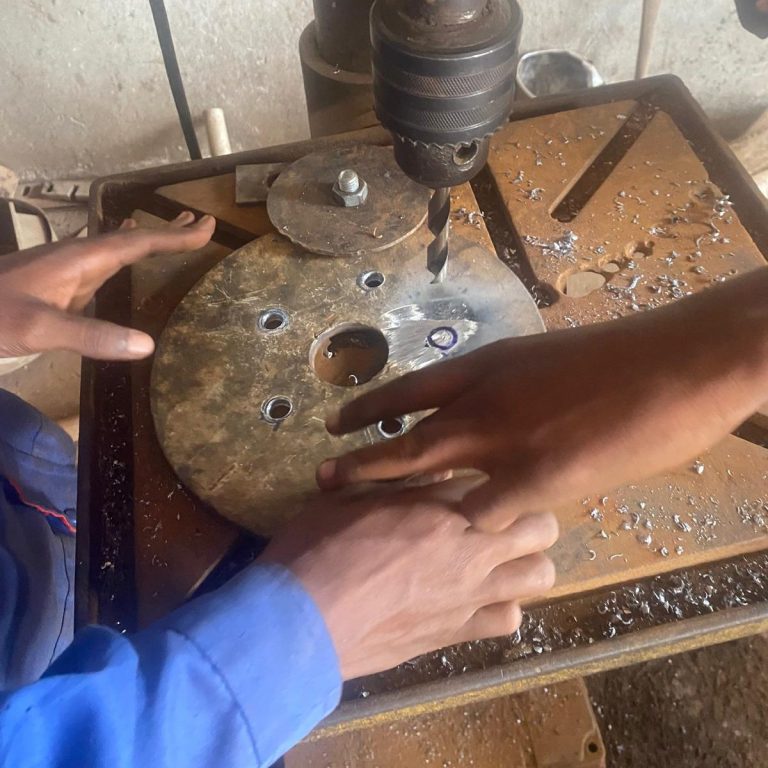
Local Parts, Local Skills